Categories
30Hz Bl-g Cinema

Summer Reading Challenge: Don’t Disturb the Dead – The Story of the Ramsay Brothers

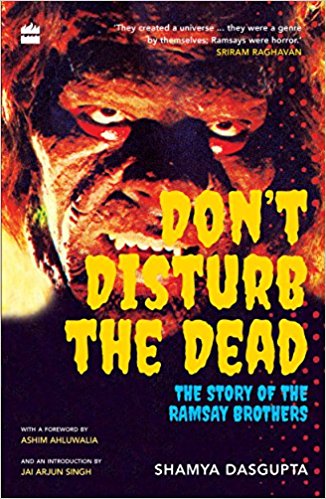
Don’t Disturb the Dead: The Story of the Ramsay Brothers
by Shamya Dasgupta
Harper Collins India (June 5, 2007)
238 pages
ISBN: 9352644301

Unwittingly my Classic Film Summer Reading Challenge jumped from the pioneers of American horror films at Universal Studios to the pioneers of horror on the subcontinent — the Ramsay brothers.

For those that haven’t been exposed to the Ramsay oeuvre, I’ll give you quick rundown of the fundamentals. Low-budget amalgamations of violence, gore, ancient curses, atmosphere, monsters, voodoo, skin and (always obscured) sexuality, and traditional Bollywood musical numbers. Until one has seen a Ramsay film, a Western viewer likely will not understand how all these pieces fit together. Even though I’d been aware of the Ramsays as filmmakers, I couldn’t wrap my head around the notion of a Bollywood horror film. And then I watched Veerana for my Halloween Horror Challenge last October.

The Ramsays were a family of filmmakers that discovered an untapped niche in the Indian film industry. Until the early 1970’s when the Ramsay’s conquered the market, no one in India made horror films. Despite their financial success, they met both cultural and market-driven barriers to widespread acceptance. Conservative viewers condemned their risqué output, and operating as independents outside the Bollywood system caused friction within the traditional chain of release. As a result, the Ramsays peddled their spook films to areas outside major metropolitan areas. Over the years their films became events, celebrated entertainment for the masses, but they also never gained the respect bestowed upon successful filmmakers.
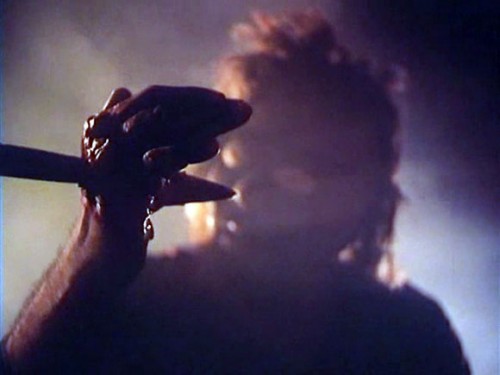
Purana Mandir (1984)
Scene from Purana Mandir (1984) directed by Shyam Ramsay, Tulsi Ramsay

Before viewing Veerana, I knew the Ramsays only by reputation. India’s version of Hammer Horror. In as much as that rings true (they Ramsays modeled themselves after Hammer studios) it also sells their enterprise short. Using Hammer as inspiration they created culturally specific horror films that defined a generation.

Don’t Disturb the Dead breathes life into the Ramsay’s global reputation by focusing on the way the filmmaking collective assembled an internal team of directors, editors, cinematographers, costume designers, set designers and shot full-length feature films on shoestring budgets and cultural limitations.

As my exposure to Bollywood is limited, the names and places that Dasgupta spouts as reference points for the Indian film industry models of success and failure wash over me. At first I spent time looking up each name, but this grew tiresome and I soon left explanation to authorial context. As a comprehensive history, Dasgupta relies on familial anecdotes and therefore fails to convey a concrete sense of history. Many stories are undermined by the hazy or conflicting recollections among the surviving Ramsays. In many ways this seems fitting coming from an industry that even into the 1980’s believed that cinema was merely a transient form of entertainment. The lack of preservation has left us only with storytellers.

The English-as-Second-Language translation of Don’t Disturb the Dead could be viewed as a detriment as well. The narrative descriptions sometimes feel clipped from amateurish imdb.com synopses. Take for example the following description of the film Darwaza (1978):

“Let’s go over the story, though it’s more more fun – obviously – watching it; if nothing else, for the atmospherics of fear, the sheer spookiness of it, the effect of the hand-held camera sneaking up on you, which is something Gangu uses is many of the films very smartly. Ye, the screaming Ramsay leading ladies are all there somewhere, and so are some random bits, but it’s a taut screenplay, all of it leading somewhere, and, before the end, there are a number of questions that remain, which keep you hooked. And spooked.”

Long segments of interview with some of the Ramsay brothers appear unedited and these, translated into English, also offer some simple charms where translation has made an earnest attempt to turn Indian idioms into proper English. I made a point to mark a quote from Arjun Ramsay (editor): “You can’t only add chili in your food – thoda khatta, thoda meetha (a little salt, a little sugar) … and we did what we did and the aim was that the audience liked it.”

The structure of the book allows for an occasionally maddening centripetal nature. Don’t Disturb the Dead highlights the different parts of the production team, but as Dasgupta begins each segment he takes us back through the Ramsay filmography as it serves the topic. Rather than going film to film and organizing his thoughts chronologically, he continually circles back. While this allows each of the brothers to get a moment in his spotlight throughout the production chain, it also creates a Back to the Future-esque branching timeline for someone unfamiliar with the films and Bollywood players that float through the Ramsay’s story. From his perspective, this serves a specific end: the movies themselves stand as a testament to the family that made them and the stories they told and shared. Readers will note a specific, culturally-ascribed attitude difference toward the actresses in their films and the women in their family, but we must view these through an appropriate lens.
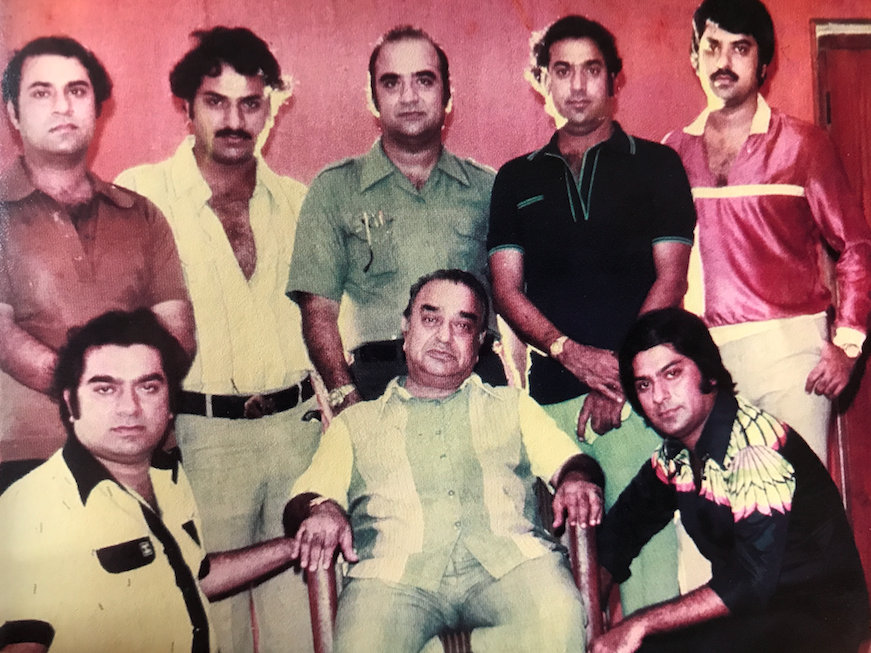
The Ramsays
The Ramsay family of filmmakers. Standing: Arjun, Kiran, Kumar, Gangu, Keshu; Sitting: Tulsi, F.U., Shyam

While not an especially exhaustive discussion of the films themselves (I did just read an encyclopedic textbook about every Univeral horror film), Don’t Disturb the Dead paints a specific picture of familial devotion and the closed-circuit nature of the Indian film industry. Little scholarship has been devoted to the Ramsays, and their films remain underseen curiosities in the West. I would be shocked if someone read the introduction to this book and wasn’t at least curious enough to check out a Ramsay movie… or at least a clip.

If Dasgupta manages to expand the Ramsay’s audience and finds a few more fans in the West, he’s done his job. Even though the movies will look rather cheap and more than a little silly to our eyes, there’s talent and devotion to the craft behind these escapades that welcomes sincere and ironic enjoyment in equal measure.

Luckily, the films are now available on YouTube for our enjoyment. Here’s the film that jumpstarted my curiosity in the Ramsays.

This review is part of my participation in the Summer Reading Challenged hosted by Raquel Stecher’s Out of the Past Blog

Categories
Cinema

Summer Reading Challenge: Universal Horrors: The Studio’s Classic Films 1931-1946

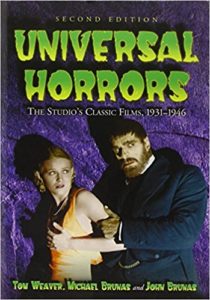
Universal Horrors: The Studio’s Classic Films 1931-1946
by Tom Weaver, Michael Brunas and John Brunas
McFarland & Company; 2nd edition (February 15, 2007)
608 pages
ISBN: 0786429747

When I dared to undertake the reviewing of six books about classic cinema in addition to my regularly scheduled summer fiction regimen, I should have had the foresight to choose something other than a textbook-sized compendium on every horror and horror-related film released by Universal during their first and second horror cycles.

I once claimed proficiency in these types of films. Now, I find that notion “quaint” and perhaps “simple-minded.” I’ve only scratched the surface. Sure, there’s the roll call of A-list monster titles that we all know and love. Dracula. The Wolf Man. Frankenstein. And my own personal favorite, The Mummy. But then there’s all the rest. I suppose I originally engaged with this book because I wanted to know about those gems that slipped through the cultural cracks.

Be careful for what you wish. (Using that, the grammatically preferable form of that statement, makes it sound positively Lugosian. Say it out loud. Claw-like hand gestures optional.)

Universal Horrors excels because the authors not only document these forgotten films (also orienting them in time and space with relation to the more popular films that overshadowed their existence), but they dare to offer a definitive opinion about every single film. Since many of these gems require a bit of hunting to track down, the opinions contained within certainly help focus my attentions on worthy searches. Only once do I recall the authors throwing up their hands in futility because they couldn’t track down a copy of a film. 

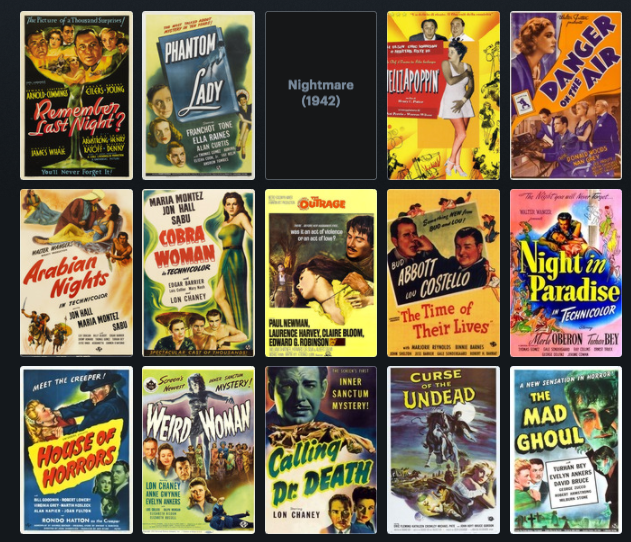
Deep Cut Universal Horrors
Some deep cut Universal Horrors dominate my Letterboxd.com Watchlist

Universal Horrors covers 86 films in great detail, diving into great detail about the behind-the-scenes production, the temperaments of the actors involved, and the contemporary reception upon release. Stories told to the authors by surviving cast and crew pull back the curtain on the Universal production demands of the era. Though I knew quite a bit about the rigorous studio demands on their creatives, I repeatedly found myself surprised by the regard (or lack thereof) with which Universal treated these cogs in the machine.

It’s particularly interesting to chart the course of the studio’s major players — Bela Lugosi, Boris Karloff and Lon Chaney, Jr. — as their careers carried on beyond the iconic roles of Dracula, Frankenstein’s monster and the Wolf Man. The authors also, in no less detail, devote substantial sections of the book to the lesser stars of the era such as Gloria Stuart, Evelyn Ankers, Dwight Frye and Maria Ouspenskaya, just to name a handful of the players brought to life again on these pages. The tragic figures on the screen often mirrored the real-life tragedies of the people responsible for these beloved Universal horror films.

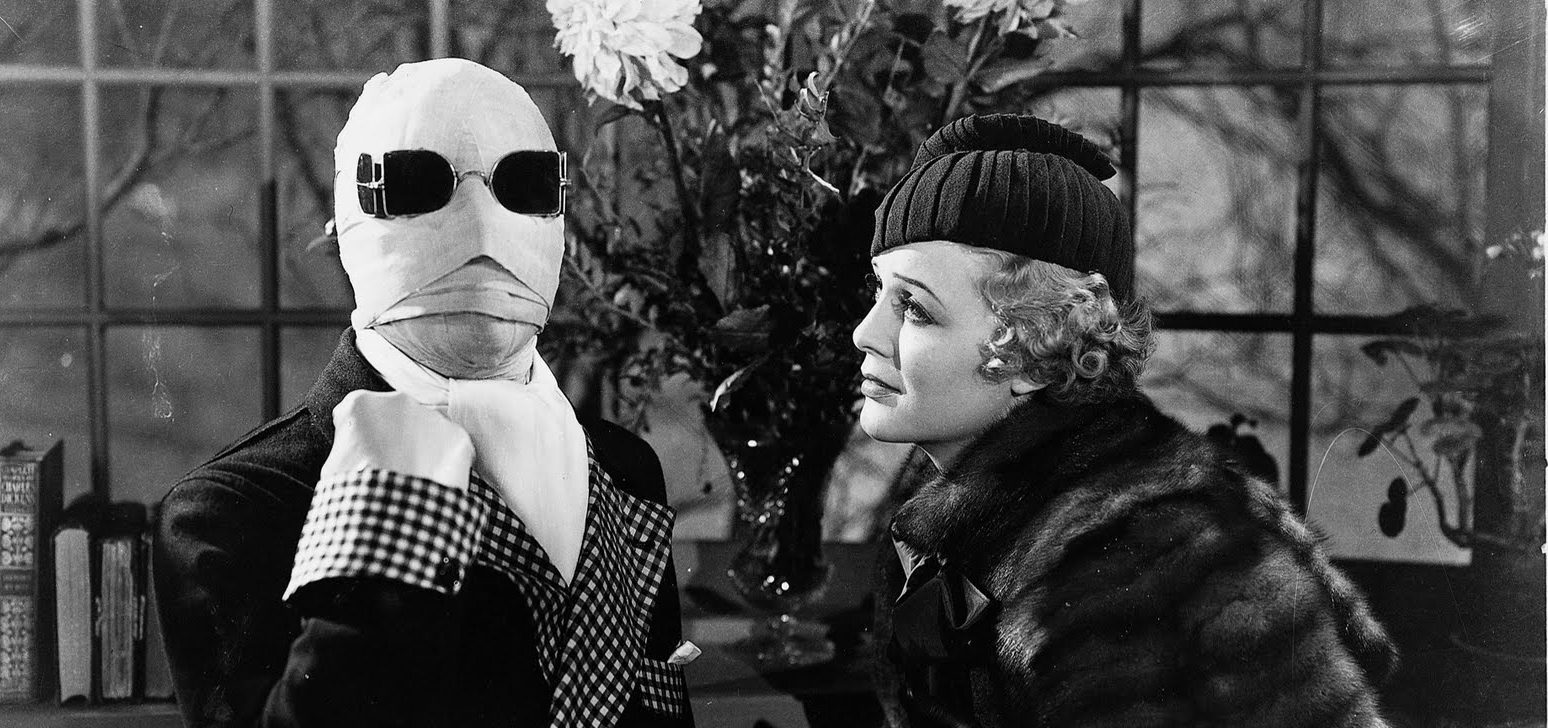
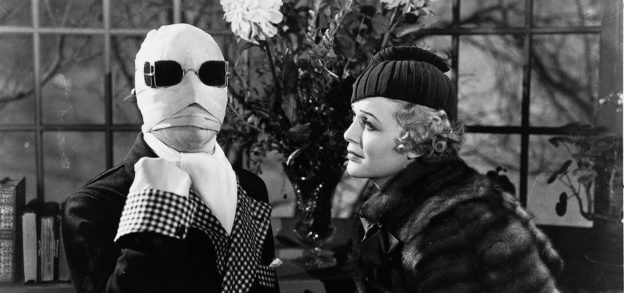
claude rains and gloria stuart in the invisible man
Claude Rains and Gloria Stuart in James Whale’s The Invisible Man.

Universal Horrors becomes a grind — as would any book of this nature — because it labors over plot synopsis for each of the entries. For certain films I welcomed the refresher course, but by and large, these retellings interrupt the torrent of more interesting bits of cultural context and production details. Thankfully, the authors quarantine the synopses, never burying interesting nuggets among the rote regurgitation, making them easy skips. You’ll welcome the opportunity to move along on page 400 or so during another middling entry in the Inner Sanctum series.

It’s possible that Universal Horrors would appeal mostly to die hard fans of the genre, but due to the depth that the authors go to document the era, the book should appeal to all fans of classic cinema. Hearing the words of Universal’s contract players and indentured filmmakers of the era sheds light on a time and place and a production style (movies written and filmed in under twelve days!) that seems alien by today’s standards. It’ll make you nostalgic for a moviemaking business that wasn’t so damn serious, when horror movie monsters were an ironic escape from the horrors of a decaying world.

This review is part of my participation in the Summer Reading Challenged hosted by Raquel Stecher’s Out of the Past Blog

Categories
Album Rumbles Music

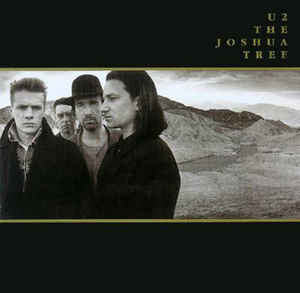
Album Rumble: U2 – The Joshua Tree

u2 the joshua treeI last wrote about U2 after attending the 2011 concert at Heinz Field. I decided it was time to check back in with The Joshua Tree during this, the 30th Anniversary of its release. A version of this review first appeared on The Spill Magazine.

Music feeds nostalgia, it places moments in time, and for a certain generation, few records documented a time and place more precisely than U2’s fifth record, The Joshua Tree, in March of 1987. Impossible details remain vivid, imprinted forever.

Where were you when you first heard the opening of “Where the Streets Have No Name”? Can you remember how you felt when the Edge’s guitar first broke through that wall of synthesizer? Maybe you don’t quite remember the feeling, but you know where you were the first time you heard U2’s The Joshua Tree. Something as mundane as a placing a cassette in a car radio becomes epic poetry. The color of the car. The passengers. Maybe there were none. The smell of the Spring air, the type of flowers blooming… and you don’t even like flowers.

For someone born into an era of digital music, a sonic grab bag of unlimited potential, it’s perhaps difficult to comprehend the way a specific record release could freeze time, if only for a short while. Movies retain the power to unite a movement around an individual work of art, but by and large, those days in music have passed. Unlimited availability, fractured attentions, and the ways in which we consume and download music have eroded the event record.

It’s no longer my favorite U2 record, but the imprint of that moment of discovery remains; The Joshua Tree has positioned itself outside traditional criticism. The band has existed long enough to survive multiple shifts in tone and ideology. They’ve turned fans into naysayers (and vice versa), but the one constant remains that one record in the middle of their discography.

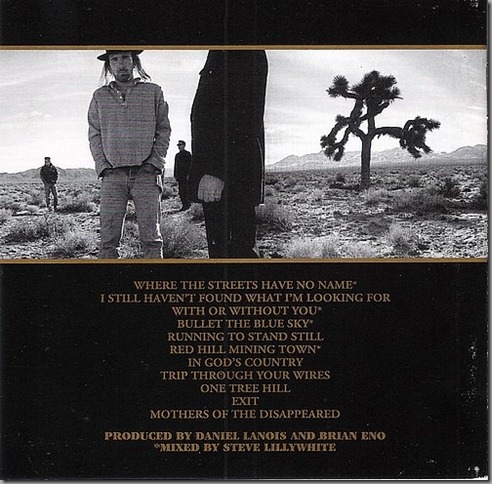
The Joshua Tree Track Listing:

Tinged with gospel, blues, and folk influences, The Joshua Tree would become U2’s greatest success, selling more than 25 million copies, but also the record they desperately longed to escape. Bono famously described Achtung Baby as “the sound of four men chopping down the Joshua Tree.” Bestowing further accolades upon the record seems futile. Instead I’d like to track back and take a slightly different perspective on the record.

The trio of songs that open the record reek of perfection – their omnipresence might diminish their luster to the point that they’ve become background music, easily tuned out. 30 years of constant airplay tends to turn even the greatest songs into Roger Williams.

Check back in with these songs one more time. Listen to “With or Without You” with your eyes closed. Tune into Larry Mullen’s subtle changes in cadence and Adam Clayton’s heartbeat bassline. The synth fills in the blank spaces followed by Bono’s lovesick vocals. “See the stone set in your eyes / see the thorn twist in your side.”  The swell before the damn breaks at the three-minute mark. Try to recapture that virgin listen, embrace the way that all the pieces of U2 fit together. Embrace the bothersome, overplayed perfection.

Too Much Respect?

Focus on the so-called B-sides of this record. “Where the Streets Have No Name,” “I Still Haven’t Found What I’m Looking For,” and “With or Without You” don’t make this record a paradigm on their own, but it’s often difficult to see the lesser successes beyond those 800 pound gorillas.

The Edge’s “Bullet the Blue Sky” guitar solos over the years:

As The Edge channels Jimi Hendrix on “Bullet The Blue Sky,” it might seem as if the album takes a left turn, but in the context of the band’s discography, “Bullet” points toward the future, toward Rattle and Hum and eventually Achtung Baby, where guitar-forward became the rallying cry. After the slow-burn symbiosis of the album’s opening volley, “Bullet The Blue Sky” pulls the rug out, shifting and undermining expectations, just when the listener slips into complacency.

In my opinion, the album’s most important song doesn’t even reside on the overworked first side. “Red Hill Mining Town” was meant to be the album’s second single after “With or Without You,” but the band was unhappy with Neil Jordan’s video, and Bono had trouble performing the song during rehearsals. Recently he said about the song “I used to write songs that I couldn’t sing. And sometimes that was okay because the strains of the notes I couldn’t reach was part of the drama, but occasionally they would really just wreck the next show.”

U2’s first performance EVER of Red Hill Mining Town in 2017:

“Red Hill Mining Town” proved to be such a problem that U2 never played it live until May of 2017 in Vancouver for the 30th Anniversary Tour of The Joshua Tree. The politically potent track introduces the B-side with a jolt of melancholic energy that rises to a hopeful crescendo. Bono’s strained vocals included, “Red Hill” stands as a fascinating blemish on the record that shows Bono’s struggles as a songwriter reaching beyond his comfort zone – a comfort zone that had already made U2 one of the biggest acts on the planet.

Place in the U2 Discography?

Say what you will about the latter half of the band’s career, but no one could ever say that U2 became satisfied or complacent. Constant re-invention has been the only consistency. The band may never again reach the resplendent creative heights of this period in their career, but U2 remains relevant and perhaps undervalued – now thirty years removed from the album that made time stand still.

The 30th Anniversary Edition of The Joshua Tree is available in a number of different formats including a 4-CD Super Deluxe Edition, 2-CD Deluxe, and 7 LP Super Deluxe. All Deluxe Editions include the band’s live performance at Madison Square Garden on September 28th, 1987.

The Joshua Tree Verdict in 2017

You’d be hard pressed to find a U2 fan who claims The Joshua Tree to be their favorite record or even favorite U2 record. And I don’t believe this is a case of merely proving fandom through deep cuts, which is a legitimate nuclear hazard in music writing and appreciation. Denying value as a result of popularity turns discographies on their heads. In this case, maybe, because the band has released three career’s worth of records. That said, a U2 fan who denies the value of The Joshua Tree has just become embittered, jaded, perhaps senile. The Joshua Tree remains a vital classic that may have lost some of its luster over 30 years due to omnipresence. Time, however, has eroded none of its visceral ability to invoke some piece of you in 1987… or whenever it was that you first heard the slow build of that opening track.